On Tuesday, 20 May 2025, European Union (EU) Member States agreed to adopt the 17th sanctions package against Russia. The Financial Intelligence Unit of Latvia (FIU) urges businesses to attentively monitor any changes that may affect operations involving both goods and services.
“Due to geographical location, Latvia is at an increased risk of sanctions violations. For proper sanctions compliance, businesses are encouraged to consult the FIU in case of any uncertainties,” said Deputy Head of the FIU, Paulis Iļjenkovs.
Key elements of the 17th sanctions package:
Extended sanctions lists
The sanctions list has been extended to include 75 persons (17 natural persons and 58 legal persons), including from China, the United Arab Emirates, Turkey and other third countries. Additionally, sanctions target 28 natural persons, particularly law enforcement officers, investigators, prosecutors and judges, who, through their actions, have aggravated the human rights situation in Russia, including by restricting freedom of expression and opinion.
New criteria for inclusion on the sanctions list
The sanctions framework now includes criteria enabling measures against assets involved in Russia’s destabilising operations, including vessels that damage critical infrastructure. It also includes the possibility to prohibit the transmission or other facilitation of Russian propaganda channels in the EU.
In addition to previous sanctions, the EU has introduced new restrictions on exports of goods that contribute to Russia’s military and technological progress, strengthening of defence and security sectors, and support the development and manufacture of military systems.
Extended list of Russian shadow fleet vessels
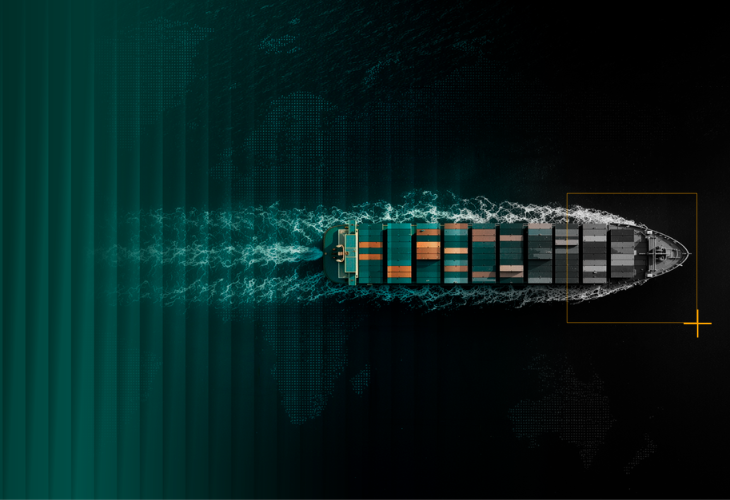
The sanctions list targets 189 additional shadow fleet vessels which contribute to the Russian Federation’s revenue to finance its war against Ukraine. A total of 342 vessels transporting Russian oil using risky and clandestine shipping practices are now on the sanctions list.
Additional measures target businesses and insurers that support the activities of the shadow fleet, including those based in the United Arab Emirates, Turkey and Hong Kong. These measures and the price cap for oil have facilitated the decline in Russia’s oil trade revenues by EUR 38 billion since the introduction of EU sanctions. In March 2025, Russian revenues were 13.7% lower than in March 2023 and 20.3% lower compared to March 2022.
More information on the new sanctions package in the Official Journal of the EU.
The sanctions lists and other useful information is available on the FIU website.
24 February 2025 marked three years since Russia’s full-scale invasion of Ukraine. The EU reaffirms its commitment to support Ukraine and to keep up the pressure on Russia until a fair and lasting peace is achieved in Ukraine.
From April 2024, the FIU is the national competent authority in matters related to the sanctions implementation.
.png)